 Sentinel Guard
Service
Stink Bug Control
Stink bugs have become an increasingly common nuisance throughout the Pacific Northwest, seeking shelter in homes as temperatures drop. These shield-shaped insects congregate on sunny exterior walls before finding their way inside through even the smallest gaps, where they overwinter in walls, attics, and living spaces. When disturbed or crushed, they release their distinctive odor—a defense mechanism that makes dealing with infestations particularly unpleasant.
Our approach combines biological understanding with practical exclusion techniques to address both active invasions and long-term prevention. Rather than simply treating the insects you see, we focus on the entry points and conditions that allow stink bugs to establish themselves in your home, creating solutions that remain effective through multiple seasons.
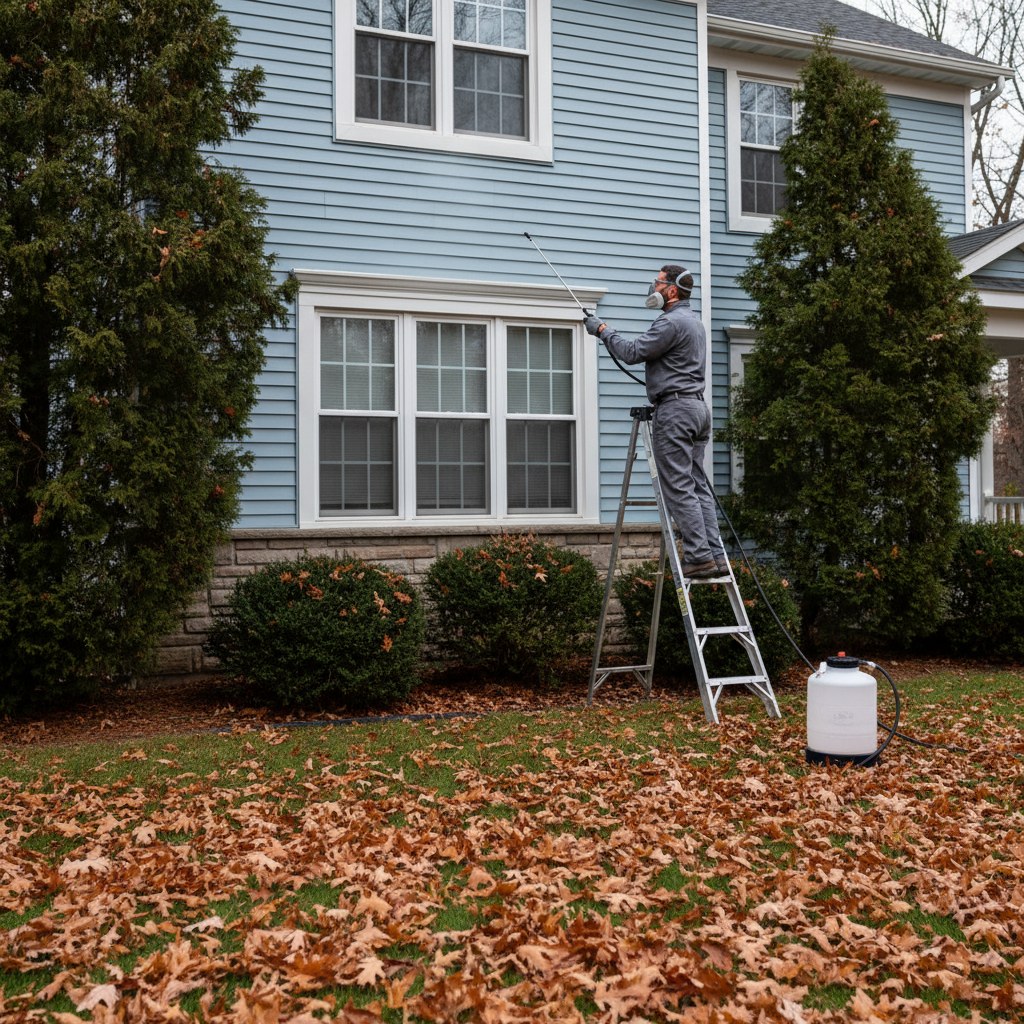
What Stink Bug Control Involves
Effective stink bug management begins with a thorough exterior and interior inspection to identify current activity levels, entry points, and the specific species present. Brown marmorated stink bugs—the most common invasive species in our region—exhibit predictable seasonal behavior, congregating on south and west-facing walls during fall before infiltrating structures. We map these patterns around your property, noting gaps around windows, doors, vents, utility penetrations, and architectural features that provide access.
Treatment combines targeted applications at key entry points with comprehensive exclusion work to seal vulnerabilities. We focus our efforts on the exterior zones where stink bugs aggregate, creating barriers before they enter your living spaces. For homes with active interior infestations, we employ removal techniques that minimize odor while addressing the attraction factors that drew them inside. Our integrated approach recognizes that exclusion work provides the most sustainable results, as stink bugs return to the same overwintering sites year after year if conditions remain favorable.
Benefits of Professional Stink Bug Management
Odor Prevention
Professional removal techniques eliminate stink bugs without triggering the defensive scent that occurs with crushing or disturbing them.
Comprehensive Exclusion
Sealing entry points prevents recurring invasions season after season, protecting your home from both stink bugs and other occasional invaders.
Seasonal Protection
Strategic fall treatments intercept stink bugs during their most vulnerable aggregation phase before they establish overwintering populations indoors.
Indoor Air Quality
Eliminating hidden wall populations prevents the unpleasant odors that occur when stink bugs die or become active during warm winter days.
Property Value
Addressing structural gaps and maintaining pest-free conditions protects your home's integrity and livability.
Our Stink Bug Control Process
- Comprehensive Assessment We inspect exterior walls, eaves, attics, and interior spaces to map stink bug activity patterns and identify the specific entry points and aggregation zones affecting your property.
- Targeted Treatment We apply barrier treatments to exterior hot spots and entry areas, focusing on zones where stink bugs congregate before entering. Interior treatments address existing populations using low-impact methods.
- Exclusion & Sealing Critical gaps around windows, doors, vents, and architectural features are sealed using appropriate materials that prevent future access while maintaining proper ventilation and home function.
- Ongoing Monitoring We establish monitoring protocols for seasonal activity and schedule follow-up visits during peak aggregation periods to ensure continued protection as conditions change.
Who Needs Stink Bug Control
Stink bug control becomes essential when you notice clusters of these shield-shaped insects on exterior walls during late summer and fall, or when you discover them indoors as temperatures fluctuate. Homes with south and west-facing exposures, older weatherstripping, or architectural complexity tend to experience heavier pressure. You may need professional intervention if you're finding stink bugs emerging from light fixtures, gathering near windows, or appearing in living spaces during winter warm spells—signs that established populations have moved into wall voids and attics.
Propertyowners who value both immediate relief and long-term solutions benefit most from our integrated approach. If you've dealt with recurring invasions each fall, or if you're concerned about the structural gaps that allow entry, professional exclusion work addresses the underlying conditions rather than simply managing symptoms. Early intervention in late summer—before aggregation peaks—provides the most effective protection, though we can address active infestations at any point in the season.
Common Questions
When is the best time to treat for stink bugs?
Late summer through early fall provides optimal timing, as stink bugs begin aggregating on exterior walls before attempting entry. Treating during this window intercepts populations before they establish overwintering sites. However, exclusion work and interior treatments remain effective year-round for addressing existing problems and preventing future seasons' invasions.
Will stink bug treatments cause odor problems?
Professional treatments are designed specifically to avoid triggering the defensive scent that makes stink bugs notorious. We use removal and application methods that don't disturb the insects in ways that activate their scent glands. The odor issues homeowners experience typically result from crushing bugs or using methods that stress them—approaches we carefully avoid.
How do stink bugs keep getting inside every year?
Stink bugs exhibit site fidelity, returning to successful overwintering locations season after season using chemical cues and structural memory. Even small gaps around windows, doors, vents, and siding provide sufficient access. Without exclusion work to seal these entry points, new populations will continue exploiting the same vulnerabilities that previous generations discovered.
Are stink bugs harmful to my home or family?
Stink bugs don't bite, sting, or cause structural damage—they're nuisance pests rather than threats to health or property. Their primary impact is the unpleasant odor when disturbed and the stress of dealing with indoor invasions. However, their presence indicates gaps in your home's envelope that may also admit other pests, moisture, and affect energy efficiency.