 Sentinel Guard
Carpenter ants don't just invade your home—they compromise its very foundation. These large, destructive insects excavate galleries through wood to build their colonies, weakening structural beams, floor joists, and wall stubers over time. Unlike termites that consume wood, carpenter ants remove it to create nesting sites, leaving behind telltale piles of sawdust-like frass and creating hollow chambers that compromise your home's integrity.
Our carpenter ant treatment service combines targeted elimination strategies with preventive measures designed to protect your property for the long term. We understand that your home represents both significant investment and personal sanctuary, which is why our approach prioritizes effective results without compromising the health of your family, pets, or the surrounding environment.
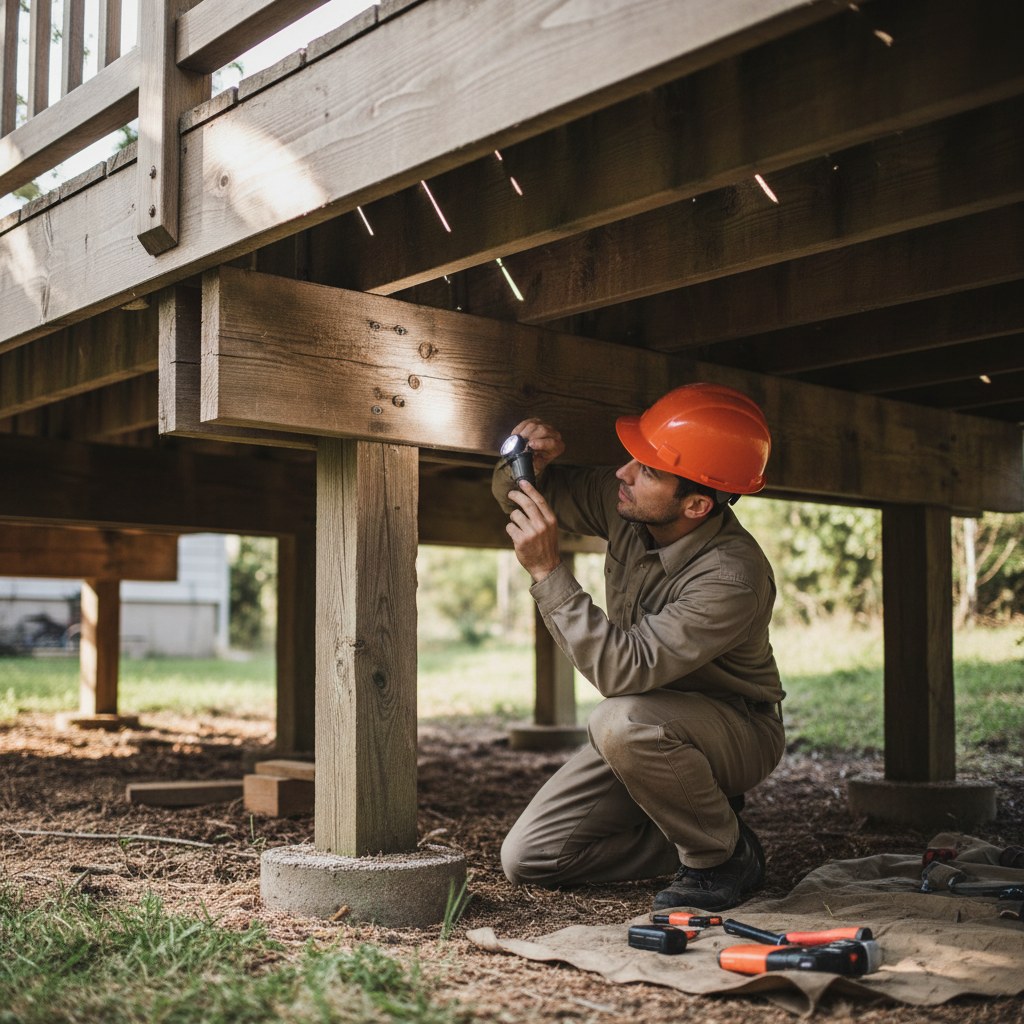
What Carpenter Ant Treatment Involves
Our treatment process begins with a comprehensive inspection to locate active colonies, satellite nests, and the conditions attracting carpenter ants to your property. We examine areas where moisture accumulates, identify wood-to-soil contact points, and trace foraging trails back to nesting sites. This detective work is essential—treating visible ants without addressing the colony itself provides only temporary relief.
Once we've mapped the infestation, we apply targeted treatments using low-impact materials strategically placed where carpenter ants travel and nest. We focus on colony elimination rather than simply repelling ants to neighboring areas. Our methods include moisture remediation recommendations, entry point sealing, and habitat modification guidance to address the underlying conditions that made your home attractive to carpenter ants in the first place. Treatment areas may include wall voids, crawl spaces, attics, and exterior perimeters where ants typically establish satellite colonies.
Benefits of Professional Treatment
Structural Protection
Prevent costly damage to beams, joists, and framing by eliminating colonies before they compromise your home's integrity.
Complete Colony Elimination
Address not just visible workers but the entire colony structure, including the queen and satellite nests.
Environmentally Conscious Methods
Protect your family and local ecosystem with targeted treatments that minimize environmental impact while maximizing effectiveness.
Long-Term Prevention
Receive expert guidance on moisture control and habitat modification to make your property less hospitable to future infestations.
Property Value Preservation
Maintain your home's condition and market value by addressing wood-damaging pests before they create costly repairs.
Our Treatment Process
- Thorough Inspection We conduct a detailed assessment of your property to locate active colonies, identify conducive conditions, and map ant activity patterns. This includes examining both interior and exterior areas where carpenter ants typically nest.
- Customized Treatment Plan Based on inspection findings, we develop a targeted strategy specific to your home's architecture, infestation severity, and environmental considerations. We explain our approach and address any concerns before proceeding.
- Strategic Application We apply targeted treatments to nesting sites, foraging trails, and entry points using methods designed for maximum colony impact with minimal environmental footprint. Treatment locations vary based on colony placement.
- Monitoring and Follow-Up We schedule follow-up visits to assess treatment effectiveness, address any remaining activity, and ensure complete colony elimination. Timing depends on infestation severity and seasonal factors.
Who Needs Carpenter Ant Treatment
This service is essential for homeowners who've noticed large black ants indoors, discovered piles of sawdust-like material near baseboards or windowsills, or heard faint rustling sounds within walls during quiet evening hours. Properties with moisture issues, wood-to-soil contact, overhanging tree branches, or previous water damage are particularly vulnerable to carpenter ant colonization. Homes surrounded by wooded areas or with firewood stored against exterior walls face elevated risk.
You need treatment promptly if you're seeing carpenter ants regularly, especially during spring when mature colonies produce winged swarmers. Don't wait until visible structural damage appears—by that point, colonies have often been active for years. Early intervention protects your investment and prevents the need for expensive structural repairs down the line.
Common questions
How quickly will I see results after treatment?
You'll typically notice reduced ant activity within the first week, though complete colony elimination takes longer. Carpenter ant colonies are large and complex, often containing thousands of individuals across multiple nesting sites. Full resolution usually occurs within two to four weeks, depending on colony size and accessibility.
Can carpenter ants return after treatment?
While our treatment eliminates existing colonies, new carpenter ants can establish themselves if conducive conditions remain. We provide detailed recommendations for moisture control, vegetation management, and structural maintenance to reduce future risk. Annual inspections help catch new activity before colonies become established.
Are carpenter ants as damaging as termites?
Carpenter ants cause damage more slowly than termites because they excavate rather than consume wood. However, mature colonies can significantly compromise structural integrity over time, particularly in moisture-damaged wood. Both pests warrant professional attention, but carpenter ant damage is often more localized and easier to detect early.
What attracts carpenter ants to homes?
Carpenter ants seek moisture-softened wood for nesting and are attracted to homes with water leaks, poor drainage, or wood-to-soil contact. They also follow branches that touch rooflines and seek indoor food sources, particularly proteins and sweets. Addressing moisture issues and eliminating access points makes properties far less attractive to these pests.